Save big on eco-friendly cleaning supplies

Choosing White vs Coloured Cleaning Rags
White and coloured cleaning rags aren't just a style preference — each has practical strengths depending on the task, the surface, and what you need to see (or not see) once the wiping is done.
Perth Rag Supplies Technical Team
7/21/20263 min read
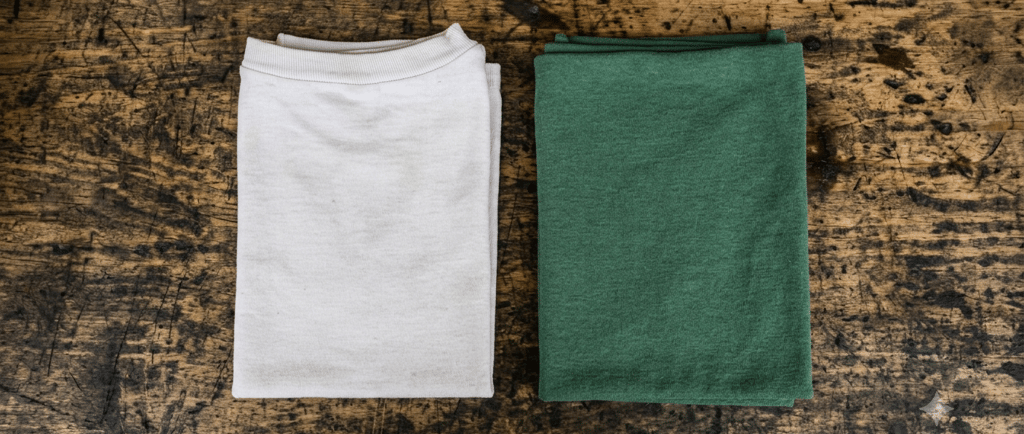

The colour of your rag isn't cosmetic — it changes what the rag is actually good for.
Choosing White vs Coloured Cleaning Rags
It's one of those decisions that seems trivial until you're the one restocking a workshop and realise the colour of the rag actually changes what it's suited for. White and coloured cleaning rags aren't just a style preference — each has practical strengths depending on the task, the surface, and what you need to see (or not see) once the wiping is done.
White Rags: The Case For Them
1. Contamination Is Immediately Visible
This is the biggest reason white rags dominate in precision environments. Oil, grease, coolant, dust, or metal filings show up instantly against white — which means you can see exactly how much residue you're picking up, and when the rag has stopped doing its job. In quality-sensitive work, that visibility is the whole point.
2. Standard in Automotive and Aerospace-Adjacent Work
Anywhere a technician needs to visually confirm a surface is clean — final wipe-downs before assembly, paint prep, glass and mirror work — white is the default. A streak or smear is obvious on white in a way it simply isn't on a patterned or dark cloth.
3. Signals "Clean Task Only"
Many workshops use white rags as an informal control measure: white is reserved for clean, food-grade, or precision tasks, and never touches heavy grease or degreasing work. This keeps a visual boundary between "dirty" jobs and "clean" jobs without needing a formal tagging system.
4. The Trade-Off
White shows dirt fast — which also means it looks "used up" faster, even when there's still useful absorbency left in the rag. If appearance matters to your clients walking through the workshop, that's worth factoring in.
Coloured Rags: The Case For Them
1. Built for Heavy, Messy, Repetitive Work
For degreasing, engine bays, tyre and grease work, or any high-volume task where the rag is going to be visibly filthy within seconds regardless, coloured rags make more practical sense. They don't show staining the way white does, so a rag doesn't look "finished" purely on appearance.
2. Colour-Coding for Zone or Task Separation
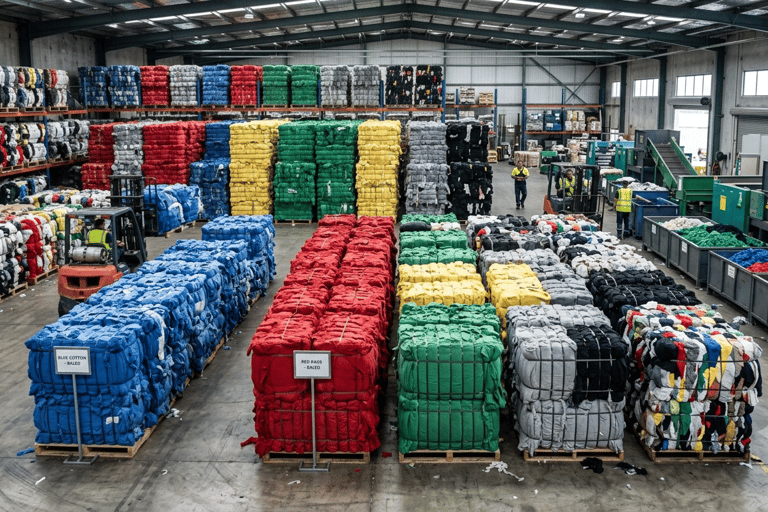
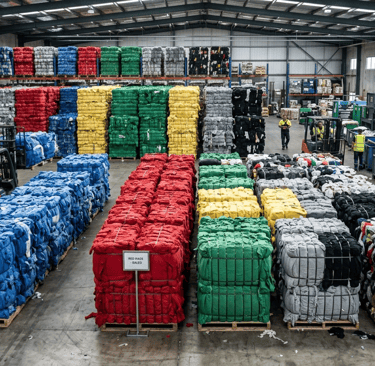
This is where coloured rags earn their keep operationally. Many mining, manufacturing, and multi-bay workshops assign specific colours to specific tasks or zones — for example, blue for general engineering, red for chemical handling, green for food-contact or hygiene-sensitive areas. This reduces cross-contamination risk and makes compliance audits far easier to demonstrate, since colour is a visual control anyone on the floor can follow without reading a procedure document.
3. Cost and Practicality
Coloured knitted rags, often made from recycled garment offcuts, are typically more cost-effective for bulk, high-turnover use than premium white stock. For workshops burning through large volumes of rags daily, this matters.
4. The Trade-Off
Because coloured rags don't show contamination as clearly, they're a poor choice anywhere visual confirmation of cleanliness is the actual goal — final finishing work, anything pre-paint, or precision assembly.
A Simple Way to Decide
Which rag colour for which task:
Final wipe-down before paint, assembly, or handover — White
Checking for residue, contamination, or streaking — White
Heavy grease, oil, degreasing, or engine work — Coloured
Colour-coded zone or task separation (WHS/compliance) — Coloured
High-volume, low-visibility general cleaning — Coloured
Food-contact or hygiene-critical surfaces — White (or a dedicated colour, solely for that zone)
Can You Use Both?
Most multi-bay or multi-sector workshops do — and it's usually the smartest approach. Keep white rags on hand specifically for tasks where visual cleanliness confirmation matters, and stock coloured rags (ideally colour-coded by zone or task) for everything else. The two aren't competing options; they're different tools solving different problems.
Show Image Caption: Colour-coded stock makes it easy to separate clean tasks from heavy-duty ones at a glance.
Getting the Mix Right for Your Workshop
The right split between white and coloured stock depends on what your workshop actually does day to day — a panel beating shop leans white-heavy, a mining maintenance yard leans coloured-heavy, and most general automotive or transport workshops sit somewhere in between with a working supply of both.
Not sure what mix of white and coloured rags suits your operation? Get in touch and we can help you work out the right stock split for your workshop.